
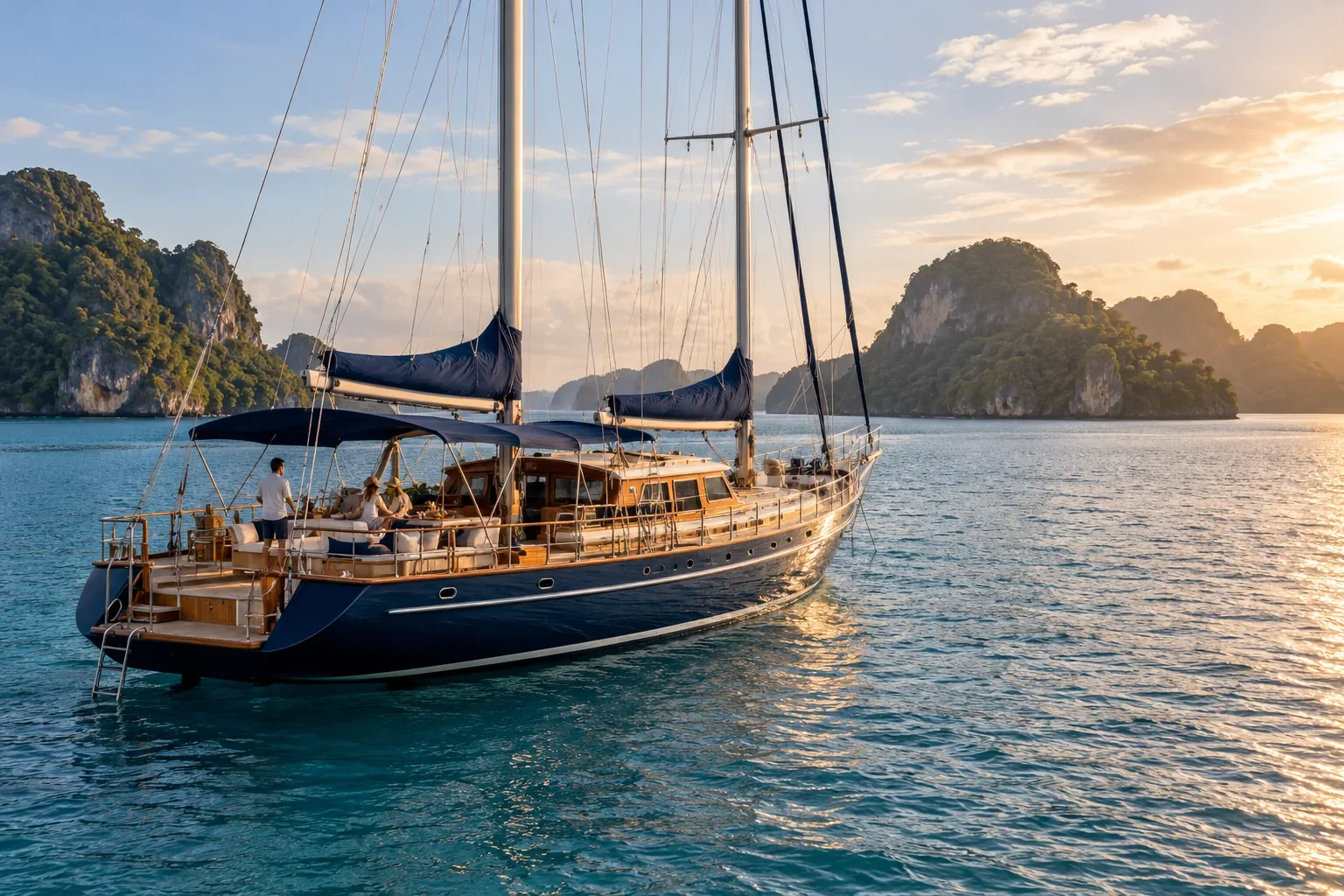
A yacht vs speedboat comparison becomes more useful when you include the whole outing: the pace you prefer, the spaces you want aboard, the route under discussion and the people travelling with you. Adding a longtail to the comparison introduces another style of island journey, with its own practical questions.
The name of a boat category cannot tell you everything about a particular vessel. Layout, size, equipment, crew arrangements and conditions vary. Use the categories to organise your questions, then compare the actual proposals rather than treating one label as a promise of comfort or suitability.
Quick Answer
- Compare specific vessels and proposed routes, not just the words yacht, speedboat or longtail.
- Decide whether the time aboard is a central part of the experience or primarily part of reaching a destination.
- Confirm layout, access, arrangements and conditions without assuming prices, speeds or safety rankings.
Yacht vs speedboat: begin with the experience
Some travellers enjoy a journey built around the vessel itself: sitting together, watching the coastline and spending unhurried time aboard. Others begin with a particular destination and see the boat mainly as transport. Neither preference is wrong, but they lead to different questions.
Write down what your group would enjoy between stops. If the answer includes conversation, covered seating and several places to spend time, ask to see the actual layout. If a destination leads the decision, ask how the proposed vessel and route work together for your date.
Do not compare an imagined luxury yacht with an unspecified speedboat. Ask for current details of each vessel under consideration. A clear proposal allows you to discuss the outing as a whole instead of relying on a category’s reputation.
Look at the spaces aboard a yacht
Yachts vary greatly, so a description of one should not become a claim about every yacht. Ruangsri is a Turkish gulet with open deck space, covered areas, an indoor lounge and a dedicated bar area. The boat page introduces those features.
Consider how your group would use the spaces. Some people may want to sit together, while others prefer a quieter place to watch the surroundings. Ask the team how the proposed guest count and itinerary affect movement and seating during the day.
The presence of a bar area does not establish a drinks inclusion, and a photograph does not confirm a particular event arrangement. Translate the features that interest you into questions about your proposed outing, then use the answers when comparing alternatives.
Ask practical questions about a speedboat proposal
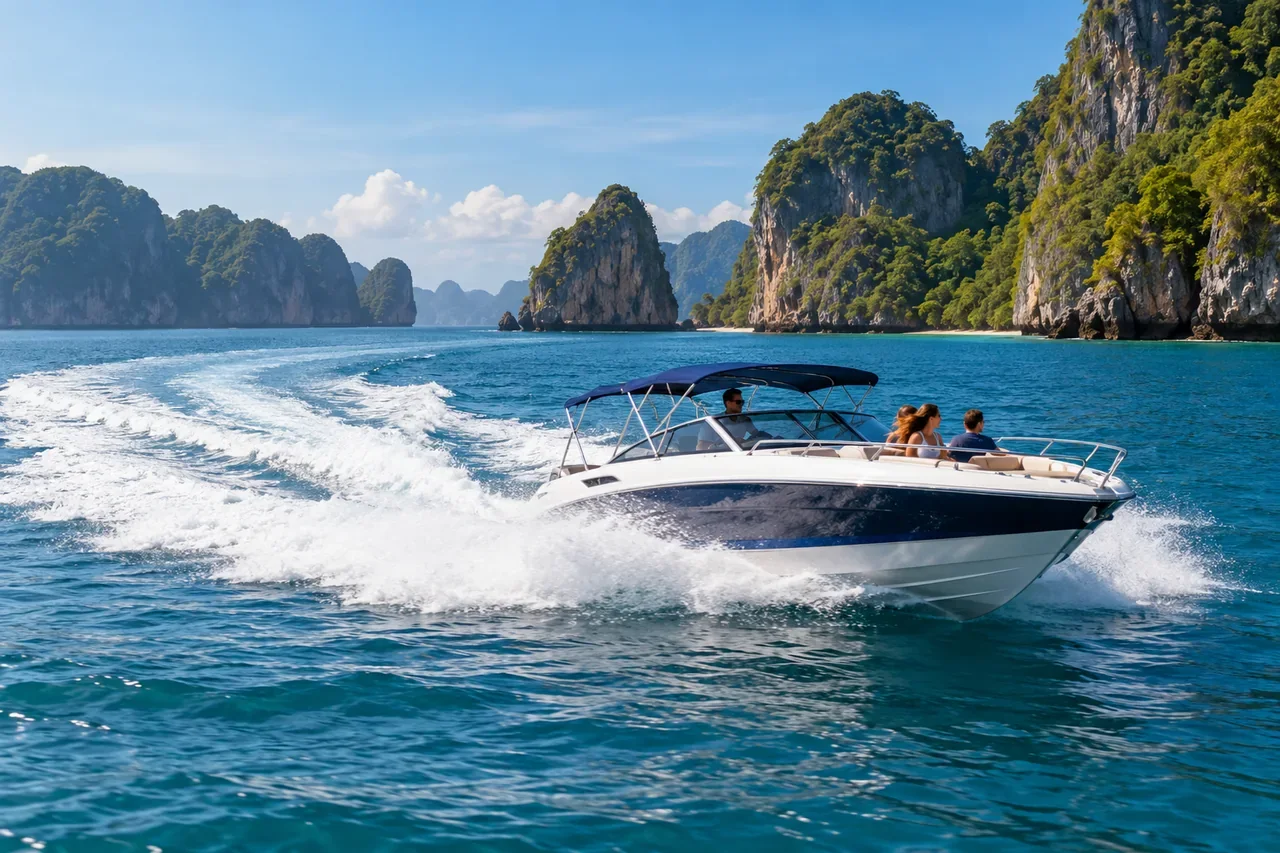
A speedboat enquiry should identify the actual vessel, the proposed route and the seating and cover available. Ask how guests board and where belongings are kept. These details matter more than a broad assumption that every speedboat experience is the same.
Avoid treating a category name as a timetable. Passage times depend on the vessel, route and conditions, and should come from the provider’s proposal. Equally, do not assume that a shorter quoted journey automatically creates the experience your group wants.
Describe the needs of everyone travelling, including people worried about motion or boarding. Request a clear explanation of the arrangements and compare it with the other options. This keeps the discussion practical without making unsupported claims about other operators or their vessels.
Understand the longtail as a distinct boat style
The Thai government’s account of longtail boat building in Krabi describes a traditional Andaman boat culture connected with fishing, local journeys and visitor trips. That background helps explain why longtails are part of the region’s coastal identity.
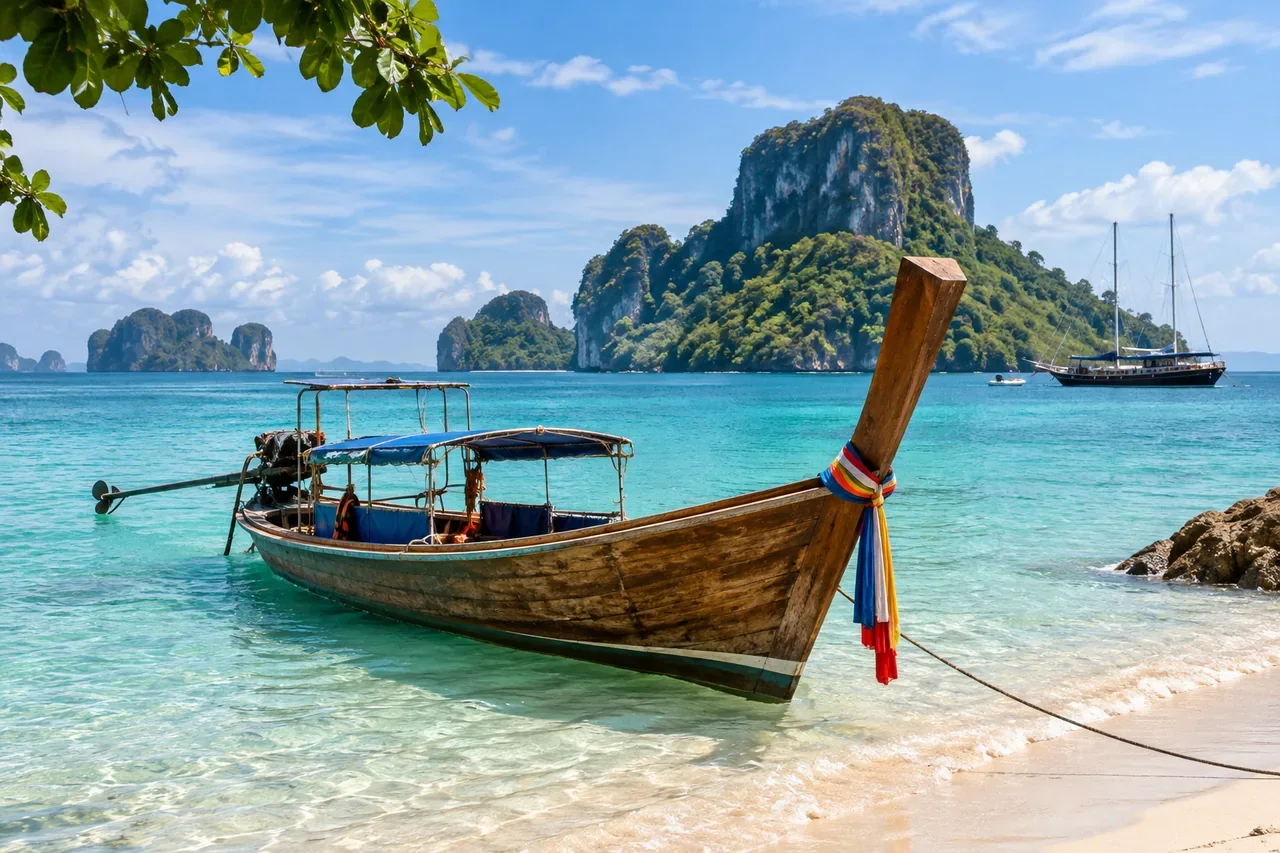
For a holiday enquiry, still ask about the particular boat and journey. Confirm seating, cover, access and the proposed route. A familiar image of a longtail beside a beach does not establish the arrangements you will encounter on a specific booking.
Choose it for the experience actually described in the proposal, rather than assuming that traditional appearance settles questions of comfort, equipment or suitability. The same principle applies to modern vessels: appearance can introduce a style, but details establish the plan.
Compare space, access and the proposed day
Build a short comparison using the same questions for every option. This makes missing information visible and reduces the temptation to choose from a single attractive photograph. Ask providers to clarify anything that affects your group’s ability to enjoy the outing.
| Question | What to compare |
|---|---|
| Where will we spend time? | Actual seating, covered areas and usable spaces |
| How do we board? | The confirmed access arrangements for the trip |
| What is the route? | Proposed destinations and flexibility for conditions |
| What is included? | Written inclusions and separately requested items |
| Who joins the outing? | Private group or shared booking arrangement |
A boat type and a booking format are separate choices. A private booking is not defined simply by the word yacht. The private yacht versus shared tour guide explains why the people sharing the outing deserve their own line in your comparison.
Treat motion and sea conditions as individual questions
No category guarantees that a guest will avoid seasickness. Motion depends on several factors, including the vessel, conditions and individual response. If it is a concern, tell the provider before confirming a plan and ask about the proposed route.
The Phuket seasickness guide can help you prepare questions. Advice about medication or a medical condition should come from a qualified healthcare professional. Avoid choosing a vessel on the basis of a promise that nobody will feel movement.
Keep route comparisons realistic as well. The Racha versus Coral Island guide discusses different kinds of island outing. The sea between destinations and the conditions on the day still matter, regardless of which vessel category you prefer.
Make activities part of the comparison
If snorkelling, swimming or time ashore is important, ask how each proposal handles it. Do not infer equipment, supervision, a landing method or a particular stop from a generic list of activities. Confirm what is arranged and what remains dependent on conditions.
Also explain if some guests intend to remain aboard. Their experience should be part of the comparison, including where they can sit and how the group will move through the outing. A plan centred only on water activities may miss what several guests want.
The private island hopping guide is a useful starting point for discussing preferences. Keep the number of requested stops manageable and let the provider explain what fits the proposed vessel and day.
Choose the proposal that answers your questions
Once the details are clear, compare them with your original priorities. A group that values time together aboard may make a different choice from travellers whose first priority is a particular shore visit. The decision should follow the confirmed experience rather than a universal ranking.
Review the quotation and relevant terms before committing. Keep requested extras separate from confirmed inclusions, and ask how changes are communicated. The private charter planning guide provides a framework for that final conversation.
If a private gulet day appeals to your group, describe the date, numbers and preferred atmosphere to Phuket Charter. A specific enquiry makes it possible to discuss Ruangsri as an actual option, with arrangements to confirm, rather than as an abstract category in a comparison.
Frequently asked questions
Which style has the most space on board?
Compare the actual vessels, their layouts and the proposed guest numbers. Categories cover different sizes and designs. Ruangsri has open deck space, covered areas and an indoor lounge, but your intended arrangement still needs discussion with the team.
Is a yacht slower than a speedboat?
Do not use category names to calculate passage times. Ask each provider about the specific vessel and proposed route, with conditions taken into account. Compare how the complete outing fits your priorities rather than relying on an assumed speed.
Which is better for people prone to seasickness?
There is no universal guarantee based on boat style. Individual response, vessel movement and conditions all matter. Explain the concern before booking, discuss the proposed outing and seek professional advice for personal medical questions.
Can small groups still choose a yacht?
Send the actual guest count and ask for a proposal. A smaller party can enquire about a private yacht without assuming a minimum group size or a particular price. Confirm availability and the relevant arrangements directly.
Which is best for snorkelling?
Ask about the specific route, conditions and activity arrangements rather than ranking boat categories. Confirm equipment and support directly, and tell the provider about everyone’s swimming ability. A boat name alone cannot establish whether a water activity suits the group.
Article imagery is AI-generated for illustration. It does not show the actual Ruangsri yacht, confirmed services, or verified views of specific islands.