

A marine forecast helps you prepare better questions before a Phuket boat day, but it is not a passenger’s instruction to decide whether a yacht should sail. It describes expected conditions for an area and period. The captain interprets that information alongside local knowledge, the proposed route and the circumstances of the actual day.
For guests, the most useful skill is reading the forecast in the right order. Start with where and when it applies, then look at wind, waves and warnings. Keep the booking conversation open as conditions develop. This guide explains that process without inventing a wave-height limit, a cancellation policy or a guaranteed level of comfort for Ruangsri.
Quick Answer
- Use the Thai Meteorological Department’s shipping forecast and check its issue time and valid period.
- Read the relevant sea area, wind, waves and warnings together rather than relying on a weather icon.
- Ask the charter team about the proposal; the captain assesses suitable routes and anchorages on the day.
Marine forecast reading starts with the source
The Thai Meteorological Department publishes an official shipping forecast, including information for the Andaman Sea and Malacca Strait. Begin there when looking for current Thai marine weather information. A social-media screenshot or a commercial weather graphic may omit context, use an earlier forecast or refer to a different location. Follow the current official page rather than treating a forwarded image as the final word.
A marine forecast and a general city forecast serve different purposes. A rain icon over Phuket tells you little about the full wind and wave discussion for surrounding waters. Read our sea conditions guide if the terminology is unfamiliar, then keep the official source open so you can see its headings, timing and warnings together.
Marine forecast dates are part of the information
Check when the information was issued and which period it covers. Those details matter as much as the numbers. A forecast saved earlier may no longer represent the latest assessment, even if the screenshot still looks clear and professional. If you compare updates, make sure you are comparing the same area and understanding the valid periods rather than treating every change as a contradiction.
Before sharing a marine forecast with your group, include the source and timing. Explain that you are checking information, not announcing an independent sailing decision. That makes it easier for the team to respond to the actual concern. Ask which update is relevant to the proposed trip and whether a further check will be needed closer to departure.
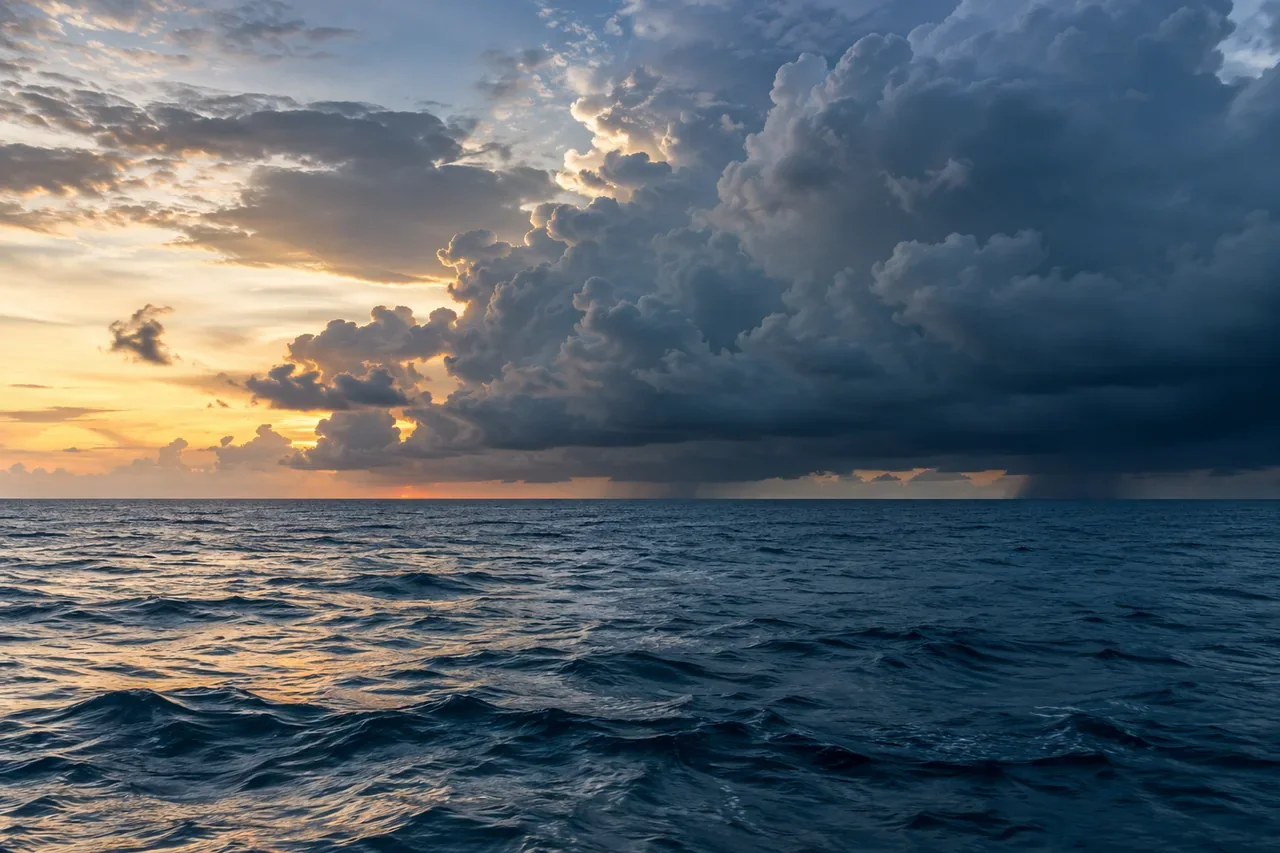
Match the sea area to the proposed day
Read the geographical heading before focusing on the wind or waves. A regional bulletin can contain several sea areas with different descriptions. Phuket’s location does not make every forecast headed Thailand relevant to the same route. Avoid selecting the most reassuring part of a page while overlooking the section that applies to the waters under discussion.
A marine forecast is also not a route map. The captain considers the passages and potential anchorages involved, while a visitor may only know an island name from a photograph. Tell the team what you hope to do and ask how the current information relates to that proposal. Do not infer that a location is suitable simply because it sits inside a broad forecast area.
| Read in this order | Question to ask | Mistake to avoid |
|---|---|---|
| Source and issue time | Is this the current official update? | Relying on an undated screenshot |
| Valid period and area | Does it cover the time and waters discussed? | Reading a different region’s conditions |
| Wind and waves | What do the terms mean together? | Choosing a universal comfort threshold |
| Warnings and updates | What guidance is currently in force? | Ignoring warnings because a beach looks calm |
Understand wind without making a private limit
Wind information describes direction and strength. Direction matters because a location’s exposure changes with the weather; strength is only one part of the picture. The Met Office’s Beaufort scale explanation connects wind descriptions with observations, including sea appearance. It provides vocabulary, not an operating rule for a particular Phuket charter.
When reading a marine forecast, avoid translating a descriptive term into a promise that everyone aboard will feel comfortable. A person’s experience also depends on the situation and their own concerns. Ask the crew to explain the relevant terms in the context of the proposed day. The yacht glossary is useful background if words such as swell, anchorage or swell are new to you.

Read waves alongside wind and location
Wave information deserves attention in its own right. Do not assume that a forecast with limited rain therefore describes still water. Equally, a calm-looking scene photographed inside a bay cannot show the whole passage leading to it. Read the wave description together with the area, period and wind information rather than isolating a single number from the rest of the bulletin.
There is no universal wave height in this article that defines a comfortable or suitable trip. A marine forecast cannot establish an individual passenger’s experience through one value alone. If motion is a concern, say so during the enquiry and ask about the proposed plan. Our seasickness guide helps frame that discussion without replacing medical advice or the captain’s assessment.
Give warnings their own attention
Look for current warning language and any separate official notices linked from the source. TMD’s marine bulletins distinguish conditions and caution around thunderstorms; the wording in force for your date should be read directly. Do not carry a warning from an old article into a new booking as if it were current, or ignore a current warning because an attractive photograph shows blue sky.
A marine forecast is a changing information source. Ask the charter team about the latest assessment rather than debating whether a broad holiday-season label should override it. You do not need to construct your own sailing threshold to be a well-prepared guest. You need to understand what is being discussed, share relevant concerns and follow the captain and crew’s instructions for the actual circumstances.
Rain and booking terms are separate questions
Rain in a forecast can prompt a practical conversation, but it does not by itself tell you the company’s cancellation terms. Ask the team how the booking is handled if conditions affect the proposal. Confirm the applicable terms directly rather than assuming a refund, automatic cancellation or a particular alternative arrangement. Those are booking-specific matters, not facts supplied by a weather page.
The best-time guide can help place a marine forecast in seasonal context. Historical patterns should remain background. A month associated with drier conditions can still require a fresh assessment, while a rain symbol cannot describe every part of a day. Keep weather interpretation and contractual questions connected in the conversation but distinct in their evidence.
Use the information to prepare a clear enquiry
Send your preferred date, guest count and the kind of experience you want. Mention fixed commitments, concerns about motion and whether particular activities matter to the group. If you have a question about a marine forecast, identify its source and valid period so the team can respond to the same information. A clear question is easier to answer than a cropped graphic with no context.
The result should be a realistic discussion, not certainty about weather that has not happened yet. Contact Phuket Charter to confirm the proposal, quotation, inclusions and meeting instructions. Keep checking relevant updates as advised. Let the official information explain the weather, the team explain the booking and the captain assess suitable routes and anchorages on the day.
Frequently asked questions
Where can I find an official marine forecast for Phuket?
Use the Thai Meteorological Department’s shipping forecast. Check the relevant Andaman Sea section, issue time and valid period, together with current official warnings.
What wave height feels comfortable?
There is no universal passenger-comfort threshold. Discuss your concerns and the proposed day with the crew; a single wave figure cannot settle the question for every person or route.
What is a storm warning?
It is official information drawing attention to hazardous weather conditions. Read the current wording, area and timing directly, and follow relevant instructions rather than relying on a general description here.
Should I cancel if rain is forecast?
Ask the team about the current assessment and your booking terms. Rain alone does not establish an automatic cancellation, refund or alternative arrangement.
Who makes the final call on the day?
The captain assesses suitable routes and anchorages using conditions and local knowledge. Guests should discuss their needs and follow the crew’s guidance.
Article imagery is AI-generated for illustration. It does not show the actual Ruangsri yacht, confirmed services, or verified views of specific islands.