
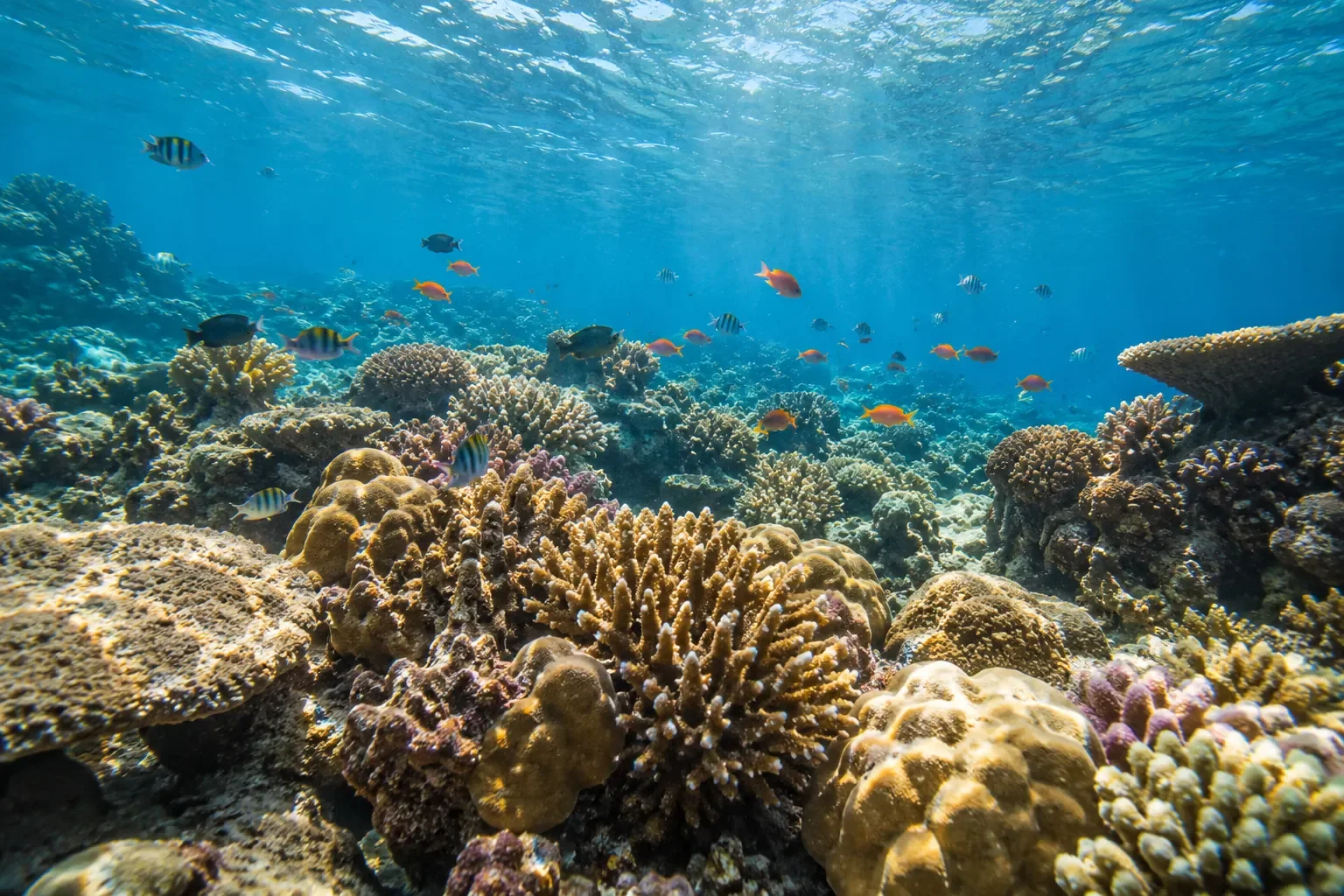
Phuket marine life is something to observe with curiosity and restraint, rather than a checklist of animals a yacht day must deliver. Reef fish, coral habitats and the possibility of unexpected encounters can make time in the water interesting, but conditions and access determine what an outing can involve.
This guide uses official Thai records to introduce the subject without promising sightings or assessing the health of a named reef. A regional record is different from a current report at your proposed stop, and an attractive underwater illustration is not evidence of what you will see.
Quick Answer
- Approach Phuket marine life as an observation opportunity, with no guaranteed species encounter.
- Do not touch marine organisms, feed fish or disturb reef habitat; follow current local guidance.
- Confirm swimming suitability, equipment and the actual proposed activity with the team before the day.
Phuket marine life in official regional records
The Department of Marine and Coastal Resources’ Racha-area information includes reef-fish and marine-animal records. Its entries show that official ecological information is organised around observations and surveys, rather than the promise of a visitor experience.
That distinction matters when planning a holiday. A source may document an animal in the wider province, from a survey or another record, without saying it is commonly visible while snorkelling at your proposed stop. Do not turn a regional inventory into a charter itinerary.
Use Phuket marine life information to prepare thoughtful questions. Ask what kind of habitat may be relevant to the proposed outing and what conditions affect activities. The team still needs to assess the actual day, rather than follow a species list assembled from different sources.
Watch reef fish without needing every name
You can notice behaviour and surroundings even when you cannot identify a fish. Look at the scene as a whole rather than trying to approach an animal for a close photograph. Avoid making a confident identification from a quick glimpse or an illustrative image.
DMCR’s reef-fish information describes different feeding groups. This guide does not reproduce an unsupported list of species supposedly common at every island. An identification should have an appropriate source, and any local observation should retain its own place and date.
For a first Phuket marine life outing, curiosity is enough. You may remember movement, colour or the relationship between fish and their surroundings without returning with a complete set of names. That is a more realistic aim than expecting a particular animal to appear on demand.
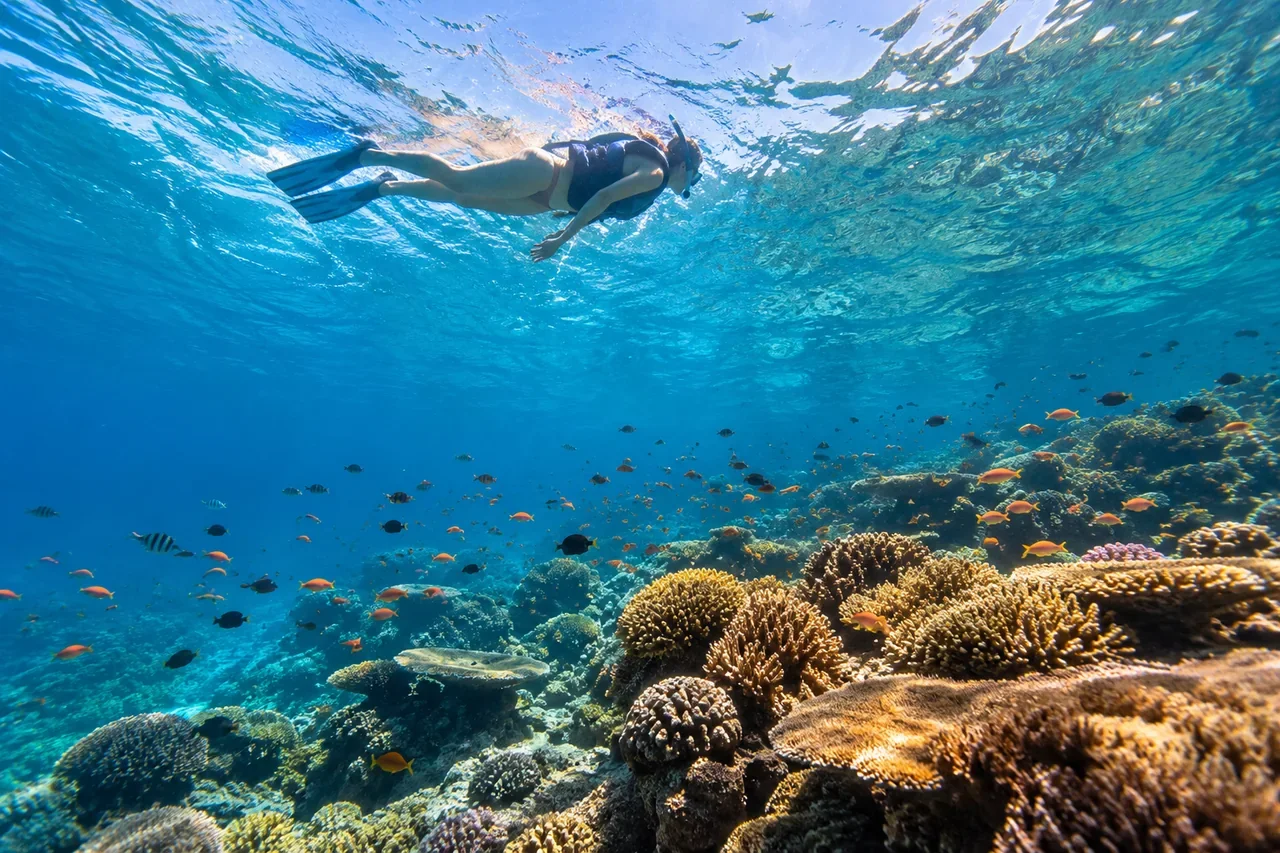
Keep turtle records separate from sighting promises
DMCR’s rare marine-animal record for Phuket, published 28 June 2021, names green and hawksbill turtles among the animals recorded in the province. Its account draws on different kinds of evidence, not solely visitor observations while snorkelling.
The record establishes regional context; it does not predict an encounter on a yacht day. Avoid choosing a route on the understanding that a turtle will be present. A natural animal’s absence is not a failure by the crew or the destination.
When discussing Phuket marine life, explain that you value respectful observation rather than a guaranteed sighting. Do not chase an animal or ask someone to draw it closer for a picture. The experience should follow the surroundings rather than pressure them to match an expectation.
Phuket marine life needs space, not feeding
The TAT summary of Thailand’s diving and snorkelling regulations describes restrictions intended to protect marine environments. Contact with marine organisms and feeding fish in reef areas are prohibited under the measures it summarises.
Those limits should shape how you approach an activity. Do not carry food into the water to attract fish, treat coral as a handhold or encourage an animal to pose. A close-looking social-media image does not establish an appropriate way to behave.
The reef-friendly day guide provides further preparation. Enjoying Phuket marine life should leave the scene undisturbed, with the crew’s instructions and current local rules guiding what happens at the actual stop.
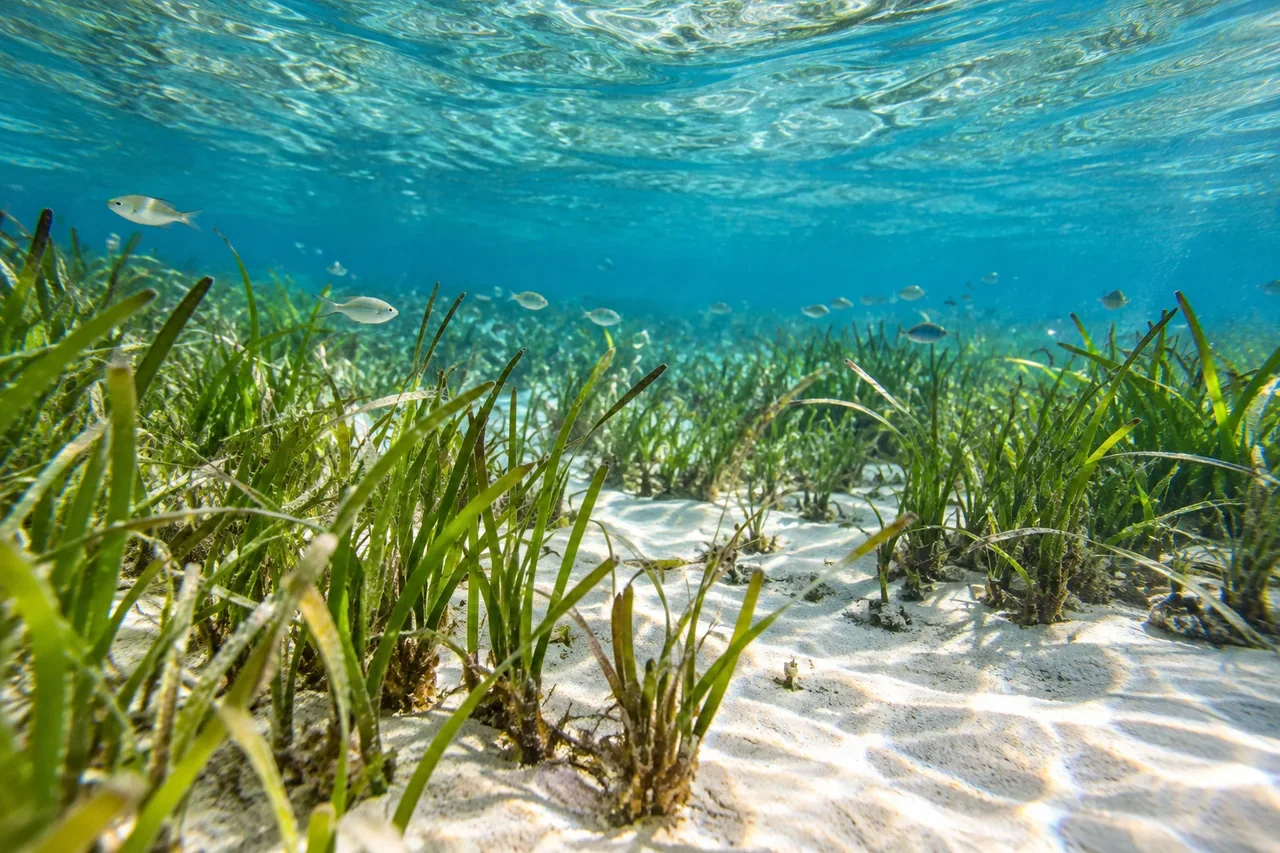
Do not infer visibility or reef health from a photograph
An image can illustrate a habitat without documenting its present condition. Clear water, bright colour and abundant fish in an illustration do not establish visibility or reef health at a named island. This article makes no current ecological assessment of a specific site.
Ask the team about the proposed activity and conditions instead of comparing the actual sea with a promotional picture. The captain’s route and anchorage decisions take the day into account. Local rules and access can also affect whether an activity takes place.
The four-island guide compares destination character. Use it to discuss interests, not to rank guaranteed Phuket marine life encounters or select a reef from an assumed water-clarity score.
Make ability and equipment part of the plan
Tell the team how confidently you swim and whether you have snorkelled before. Ask what equipment and support are actually available, and how suitability will be discussed. Do not assume that an activity listed on a page confirms arrangements for every guest.
Some people may prefer to remain aboard. Include them in the plan from the start rather than treating entering the water as the only meaningful way to join the outing. A private group can share the day while enjoying different aspects of it.
The snorkelling planning guide offers useful questions. Phuket marine life interests should sit alongside individual ability and the crew’s assessment, without encouraging a hesitant guest to attempt an activity because others want to see fish.
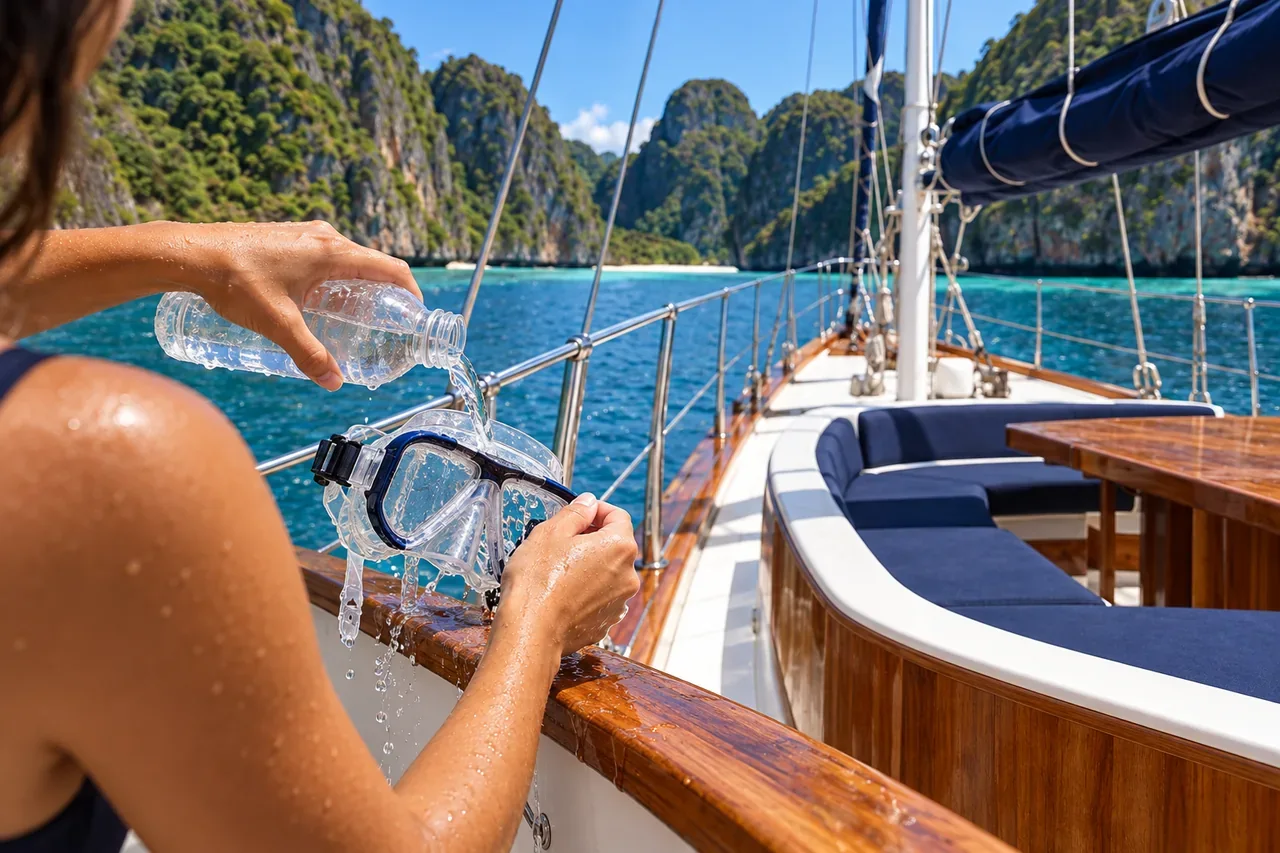
Compare destinations by the outing, not an animal list
The Khai Nok and Coral Island comparison introduces different beach-day ideas. Neither destination name guarantees a species, visibility or a swimming arrangement. Ask how the proposed route fits your group’s priorities.
The Koh Khai Nok guide and Coral Island guide can support that conversation. Keep any interest in time ashore separate from permission to land, which needs current confirmation.
A coherent Phuket marine life enquiry might ask for an outing with an interest in reef observation, subject to conditions, while valuing time together aboard too. That gives the team more flexibility than a demand to deliver several named animals at several named stops.
Remember the encounter accurately
If you take photographs, keep the location and date with them for your own reference. Avoid identifying an animal publicly unless you have a reliable basis. An uncertain memory can remain an interesting observation without being turned into a scientific claim.
Share the experience in a way that respects other guests and the surroundings. Do not describe an animal’s presence as guaranteed for future visitors or present a single sighting as proof that an entire reef is healthy. Personal observations have limits.
Phuket marine life can make a day memorable without an extraordinary encounter. Going in with realistic expectations, respecting current guidance and allowing the crew to assess the outing leaves more room to notice what is actually there.
| Evidence | What it supports | What remains unknown |
|---|---|---|
| Official habitat records | Ecological context | Current visibility |
| Historical turtle records | Documented regional presence | Any sighting on your trip |
Frequently asked questions
What fish are common around Phuket’s islands?
DMCR’s regional information documents reef-fish communities, but this guide does not claim a universal species list for every island. Phuket marine life varies with the setting and observation. Ask about the proposed activity and use reliable identification sources for anything you actually see.
Can you see turtles when snorkelling near Phuket?
Official DMCR records name green and hawksbill turtles in the wider Phuket area, but do not establish that visitors will encounter them while snorkelling. Phuket marine life sightings cannot be promised. Do not pursue or disturb an animal if one is present.
Is it okay to feed the fish?
No. The TAT summary of Thailand’s marine-activity regulations prohibits fish feeding in reef areas. Respect Phuket marine life by observing without touching, feeding or chasing, and follow current local instructions for the actual location.
When is the water clearest?
No fixed visibility guarantee is given here. Conditions at the proposed location matter more than an illustration or an animal list. Ask the team about the activity and let the captain assess the route and anchorage for the day.
What should beginners know before snorkelling?
Explain swimming confidence and experience, confirm equipment and assistance, and follow the crew’s assessment and instructions. Phuket marine life interests do not make an activity suitable by themselves. Remaining aboard is a preference to discuss as part of the plan.
Article imagery is AI-generated for illustration. It does not show the actual Ruangsri yacht, confirmed services, or verified views of specific islands.