
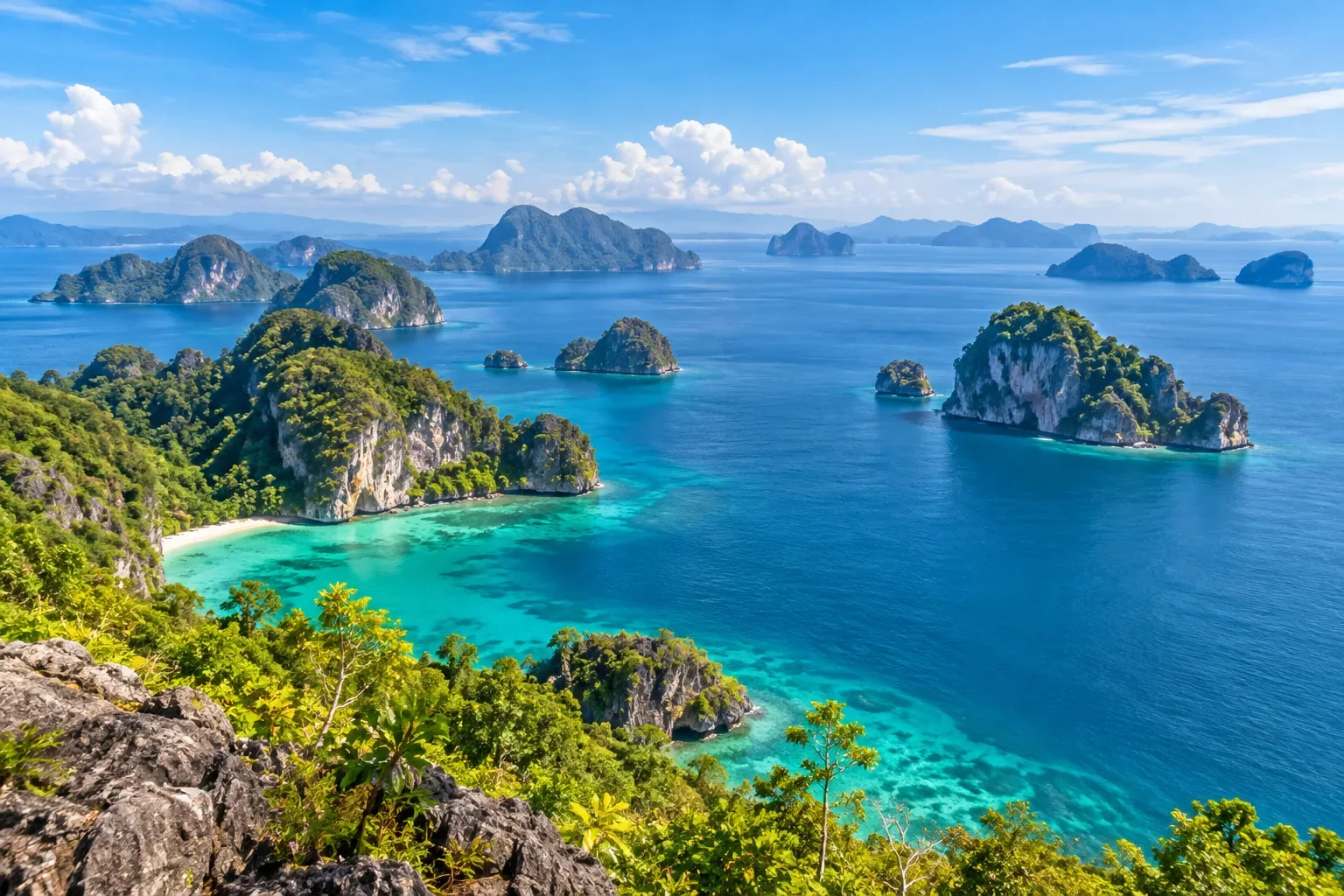
The Andaman Sea is part of the setting that makes a Phuket holiday feel connected to islands, open horizons and life along the shore. For a visitor planning a private yacht day, understanding that setting is more useful than memorising a list of spectacular places. Geography gives you context; the forecast, local rules and the proposed route determine what can happen on your date.
This guide introduces the region through the questions that matter around Phuket: where the sea lies, how seasons affect planning, what reefs and islands mean for visitors, and why a route should remain a discussion with the crew. It avoids presenting a photograph, a season or an island name as a promise about the experience you will have.
Quick Answer
- Phuket sits on Thailand’s Andaman side, facing the wider eastern Indian Ocean region.
- Seasonal wind patterns provide background, while a current marine forecast informs the actual day.
- Island choices, water activities and suitable anchorages depend on conditions and applicable local rules.
Andaman Sea geography around Phuket
Thailand’s Hydrographic Department describes Thailand’s western waters in relation to the Andaman Sea and Strait of Malacca in its national report to the regional hydrographic commission. NASA also places Phuket on Thailand’s Indian Ocean coast. This gives visitors a geographical starting point: Phuket belongs to the country’s western maritime setting, distinct from the Gulf of Thailand to the east.
The Andaman Sea is a regional body of water, rather than another name for the immediate stretch of sea outside one Phuket beach. A day charter explores a much more local setting within that wider region. Keep that distinction in mind when reading travel descriptions. A place can belong to the same broad sea without being a practical destination for a particular boat, departure point or day.
Andaman Sea neighbours and the limits of a holiday map
The broader regional geography includes mainland coasts and offshore island territories. Thailand’s hydrographic report discusses western maritime boundaries involving Myanmar, India’s Andaman and Nicobar Islands, Indonesia and Malaysia. That context helps visitors understand why the area is described through several countries and island groups. It is not an itinerary or a guide to crossing maritime borders.
A simple visitor map can show Phuket’s relationship to nearby islands, but it cannot establish navigational routes, distances or permissions. The same applies to the conceptual illustration in this article: it is designed to suggest an island setting, not reproduce a chart. For a local charter, focus on the proposal discussed with the team rather than interpreting a regional map as a list of reachable stops.

Read seasons as background
Thailand’s seasonal guidance places the southwest monsoon broadly from mid-May to mid-October and the northeast monsoon from mid-October to mid-February, with variable transitions. Those patterns matter to the Andaman Sea, but they are not a fixed timetable for calm water. Wind direction, exposure and changing weather remain relevant within any month. A season can help frame travel choices without deciding the route.
For actual planning, read the wind and waves guide alongside the Thai Meteorological Department’s current shipping forecast. Check the area and period to which the forecast applies. A clear sky over a hotel cannot replace that information, and historical monthly rainfall does not tell you whether a particular passage will be comfortable.
| Layer of information | Useful for | Keep this distinction |
|---|---|---|
| Regional geography | Understanding where Phuket belongs | It does not define a day-charter route |
| Seasonal climate | Framing a holiday discussion | It is not the date-specific forecast |
| Local marine forecast | Reading current wind, waves and warnings | It does not establish personal comfort |
| Crew and captain assessment | Discussing suitable routes and activities | Preferences remain subject to conditions |
Islands have different characters
Phuket Charter’s destination descriptions distinguish several kinds of island day. Koh Khai Nok has a compact, bright and social character. The Coral Island private-yacht guide discusses this beach-oriented option; Racha Yai is associated with white beaches and clear-water bays in a fuller-day discussion. Maiton is described through a quieter atmosphere, without that description establishing current access. These are ways to compare interests, not promises that every option is available.
The Phuket island-choice guide can help you put those preferences into words. The Andaman Sea setting includes many different scenes, but a good enquiry concentrates on what your group values. Say whether you prefer scenery, time aboard or an interest in water activities. Then ask which proposal suits your date instead of requesting every appealing destination in a single plan.
Reefs deserve careful attention
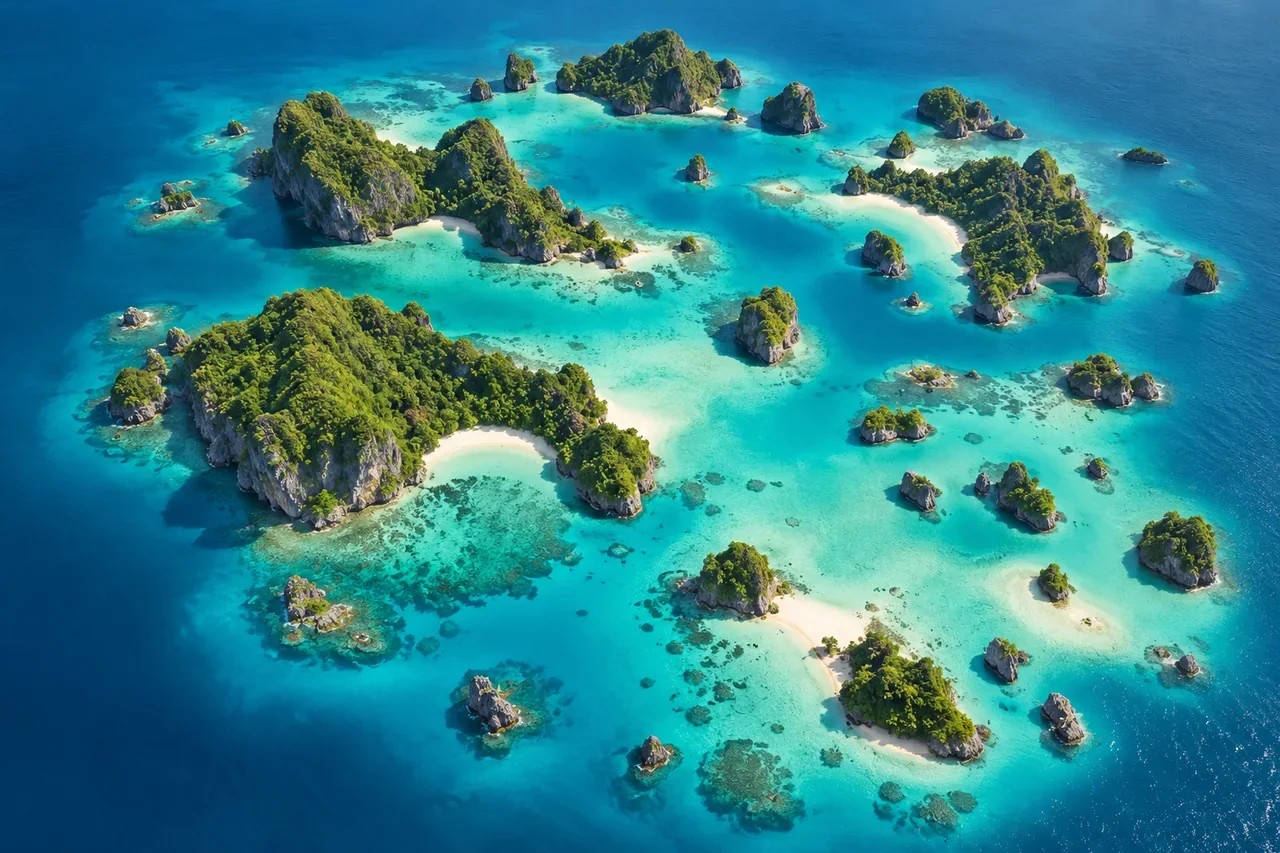
The Department of Marine and Coastal Resources’ Racha marine project documents reef-related habitats, fish and other marine life in the Phuket area. Such records establish ecological context. They do not confirm the present condition of a reef at a proposed stop, water visibility on your date or what a visitor will see. Keep those uncertainties separate from the interest of learning about the habitat.
For an Andaman Sea visit, the most useful attitude is observation without interference. TAT’s notice on Thailand’s diving-activity regulations explains restrictions on disturbing marine life, including feeding fish and touching organisms. Follow applicable site instructions and the crew’s guidance. Read our reef-care guide before discussing any in-water activity.
Wildlife records are not a sighting guarantee
Marine records can make the Andaman Sea more interesting before you arrive. They help you understand why habitats and responsible behaviour matter. They should not turn an ordinary private charter into an implied wildlife tour. An animal recorded in a province or a historic survey may never appear during your outing, and an image of one cannot establish the likelihood of an encounter.
Our marine-life introduction separates documented context from trip expectations. If you encounter an animal, do not feed, touch or chase it to create a photograph. Ask about the applicable guidance and let observation remain optional. A day can be rewarding because of its scenery and time together without requiring a particular species to appear.
A yacht day is a local proposal
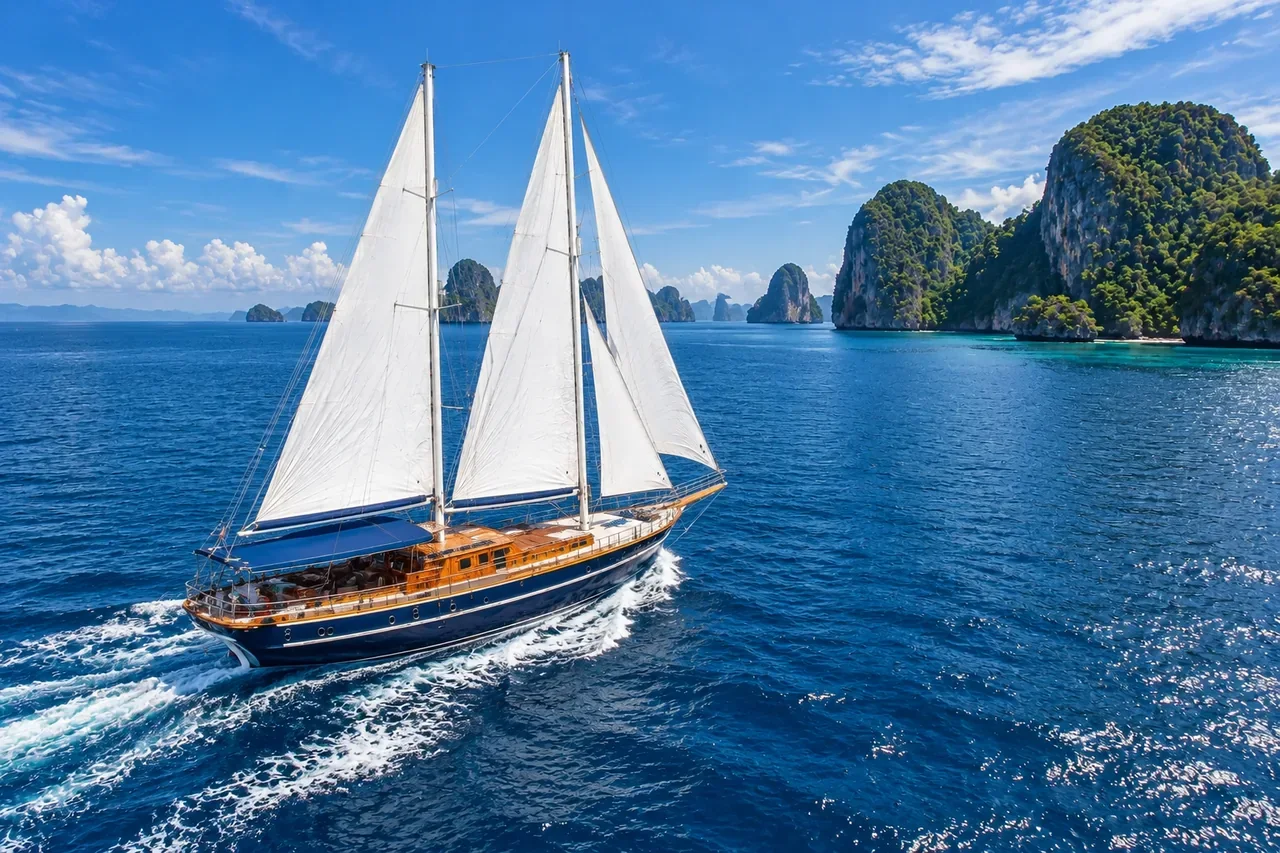
Use the destination descriptions to explain how your group hopes to spend time on the water. Ask the team which departure arrangements and onboard spaces would suit the proposed outing. They do not confirm a route, activity, equipment package or time ashore. Ask about each part of the actual proposal and quotation before making assumptions.
When planning time on the Andaman Sea, distinguish being aboard from entering the water. Some guests may prefer the view and company; others may want to discuss snorkelling options. Tell the team about those differences. Suitable anchorages and activities depend on conditions and local rules, and the captain makes the route assessment for the day.
Turn regional interest into a useful enquiry
Start with a date and guest count, then describe the kind of experience that attracts you to the Andaman Sea. A slower gathering with friends is a different brief from an outing focused on island scenery. Mention any fixed commitments and any questions about comfort or activities. A clear description helps the team discuss a realistic proposal without treating the entire region as an interchangeable backdrop.
The sea’s appeal comes partly from how much can change: light across a bay, the outline of an island and the mood of the horizon. Plan with that variability in mind. Contact Phuket Charter to discuss your group, then confirm the route proposal, meeting instructions, quotation and inclusions. Use geography to understand the setting and current guidance to prepare for the actual day.
Frequently asked questions
Where is the Andaman Sea?
It lies in the eastern Indian Ocean region beside Thailand’s western maritime coast. Phuket belongs to this Andaman-side setting, distinct from the Gulf of Thailand.
Which countries border the Andaman Sea?
The regional setting involves Thailand, Myanmar, India’s Andaman and Nicobar Islands, and the waters towards Malaysia and Indonesia. Thailand’s hydrographic report describes these western maritime neighbours; precise sea limits and borders require authoritative charts.
When is the Andaman Sea calmest near Phuket?
Seasonal wind patterns give broad context, but no month guarantees calm water. Read the current marine forecast and ask the crew about the proposed route and conditions.
Are there coral reefs around Phuket?
Yes. DMCR documents reef-related habitats around Racha in the Phuket area. That does not establish current reef health, visibility or the suitability of an activity at a particular stop.
Which islands can you visit from Phuket by yacht?
Phuket Charter discusses options including Coral Island, Koh Khai Nok, Racha Yai and Maiton. Actual access, suitable routes and activities require confirmation for the date and conditions.
Article imagery is AI-generated for illustration. It does not show the actual Ruangsri yacht, confirmed services, or verified views of specific islands.